When people search Google, the first thing they see is your page’s meta title and meta description. These two small elements often decide whether a user clicks on your link or scrolls past it. That’s why writing them carefully—not just for SEO, but for real human readers—is essential.
Over the years, Google has refined the way it reads, ranks, and rewrites meta tags. Today, Google prioritizes clarity, accuracy, and usefulness over keyword stuffing or gimmicks. If you want your pages to perform better, your titles and descriptions should follow the same principles.
Let’s take a look at how to write SEO-friendly meta titles and descriptions that follow Google’s current best practices.
What Google Wants From Your Meta Tags
Google doesn’t want tricks. It wants:
- Relevance – Your title and description should faithfully represent the content.
- Clarity – Avoid vague or exaggerated claims.
- Value – Show users why clicking your link is worth their time.
- Natural language – Write the way people speak, not like robots.
- Moderate keyword usage – Include keywords only where they fit naturally.
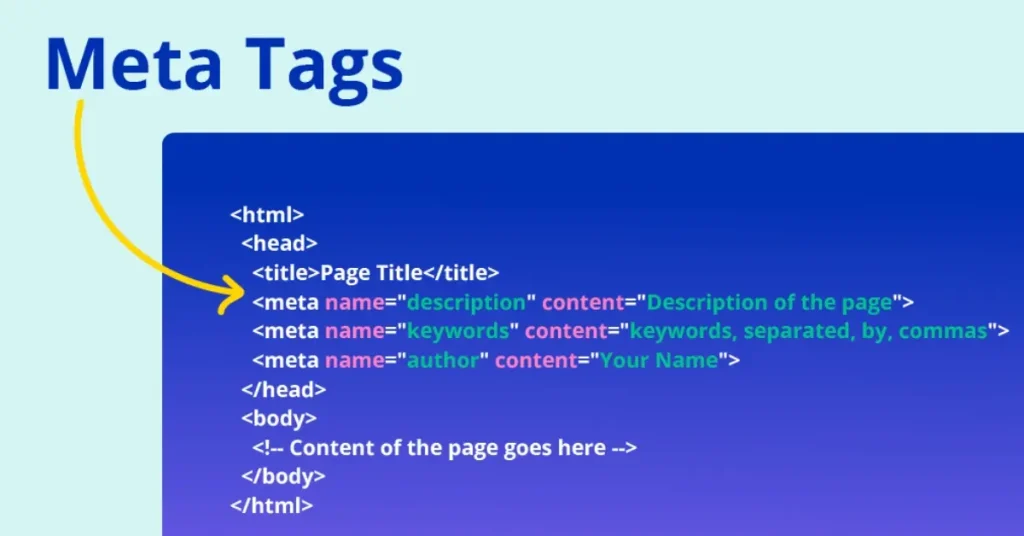
When your meta tags follow these rules, Google is less likely to rewrite them – and more likely to reward you with better click-through rates.
1. Write a Clear and Meaningful Meta Title
Your meta title is the title of your article on Google. It should immediately tell people what they will get from your page.
Tips for an SEO-friendly Meta Title
- Keep it under 55-60 characters This avoids truncation and your message remains intact.
- Keep the main keywords naturally Avoid forcing keywords. If it doesn’t fit smoothly, adjust the sentence.
- Speak directly to user intent Think about what the user wants and address it immediately.
- Make every word count Skip unnecessary filler words like “The best guide ever…”
- Add a unique touch Your title should stand out from similar pages on the SERP.
Example of a good meta title
How to Write SEO-Friendly Meta Titles and Descriptions (Google’s Guidelines)
Straightforward, descriptive, and includes the main topic without stuffing.
2. Write a Human-Centered Meta Description
The meta description isn’t a ranking factor, but it strongly influences clicks. If users see a clear, appealing summary, they’re more likely to choose your page.
Tips for Writing a Strong Meta Description
- Aim for 140–160 characters
Enough room to convey value without getting cut off. - Summarize what the page delivers
Don’t be vague. Give a concrete reason to click. - Write in a conversational, natural manner
People click what they can easily understand. - Include your keyword once if it fits naturally
This reassures the user they’re in the right place. - Add a soft call to action
“Learn how…”, “Discover…”, “See the steps…”—all work well.

Example of a good meta description
Learn how to write clear, engaging meta titles and descriptions that follow Google’s latest guidelines. Improve clicks with simple, human-focused SEO tips.
3. Match the Content—Don’t Mislead Readers
One of Google’s biggest concerns is clickbait meta tags. If your meta title promises something that the content doesn’t deliver, Google may rewrite it or even reduce your visibility.
Always make sure your meta tags align with:
- The topic
- The tone
- The depth of your content
Misleading titles may get a few clicks initially, but they hurt long-term SEO.
4. Avoid Keyword Stuffing—Google Can Spot It Instantly
A meta title like:
❌ SEO Meta Titles | SEO Meta Descriptions | Best SEO Writing Tips
…looks spammy, unnatural, and outdated. Google prefers titles that feel like real language. Users also avoid robotic or repetitive text.
Instead, blend your keyword smoothly into a clear sentence.
5. Write for Humans First, Search Engines Second
Although the purpose is SEO, Google still prioritizes user experience. Your meta tags should feel helpful, not optimized to death.
Ask yourself:
- Does this read like something a real person would say?
- Is it clear at a glance?
- Is it genuinely helpful?
If the answer is yes, your SEO benefits naturally.
6. Keep Every Meta Tag Unique
Every page needs a unique title and description. Duplicate tags confuse Google and reduce your chances of ranking for diverse keywords.
Make sure similar pages – like service pages or location pages – also have their own unique angle.
7. Use Your Brand Name Wisely
If you’re a known brand, adding your name at the end of the meta title can boost credibility.
Example:
SEO Meta Writing Guide | YourBrand
But if characters are tight, prioritize clarity over branding.
How to Add Meta Titles and Meta Descriptions in WordPress and Shopify
Knowing how to write strong meta titles and descriptions is only half the job — you also need to add them correctly to your website. Different platforms have different methods, so here’s a quick overview:
Adding Meta Tags in WordPress
On WordPress, the easiest way to add meta titles and descriptions is by using plugins like Yoast SEO, Rank Math, or All in One SEO.
Once the plugin is installed, open any page or post and scroll to the SEO settings area. You’ll see dedicated fields where you can add your meta title, meta description, and preview how they appear in search results.
You can follow a more detailed walkthrough here: How to Add Meta Title and Meta Description in WordPress.
Adding Meta Tags in Shopify
Shopify allows you to edit meta titles and descriptions directly from your product, page, or collection settings.
Simply open the item you want to edit, scroll to the Search Engine Listing Preview, and click Edit website SEO. You can then enter a custom meta title and meta description.
For a complete step-by-step guide, see: How to Add Meta Title and Meta Description in Shopify
Write Meta Titles and Descriptions Using AI and Free Tools
If you want to speed up your workflow, AI tools and free online generators can help you create meta titles and descriptions in seconds. These tools suggest keyword-focused ideas, improve wording, and help you stay within character limits — making them especially helpful for beginners or anyone managing multiple pages.
For a deeper look at how to use AI effectively (including examples, tips, and recommended free generators), check out this guide: How to Write Meta Titles and Descriptions Using AI And Free tools
Summary: Writing SEO-friendly meta titles and descriptions isn’t about tricking Google – it’s about helping users. When you write with honesty, clarity, and purpose, both Google and readers reward you.
Top of Form
Follow these principles:
- Keep it concise
- Keep it natural
- Keep it relevant
- Focus on user intent
When your meta tags reflect real value, your visibility and click-through rate improve naturally.