If you’ve spent any time learning about SEO, you’ve probably heard the term on-page SEO over and over. And there’s a reason for that—on-page SEO is one of the most important foundations of ranking well on Google.
Think of it this way: your website is your home on the internet. On-page SEO is everything inside your home that you can control—your content, your titles, your layout, your speed, your keywords. And just like a well-organized home leaves a great first impression, a well-optimized page helps Google understand your content and helps visitors enjoy their experience.
In this guide, I’ll walk you through what on-page SEO really means in simple language, why it matters, and how you can start improving it today—even if you’re not a technical expert.
What Is On-Page SEO?
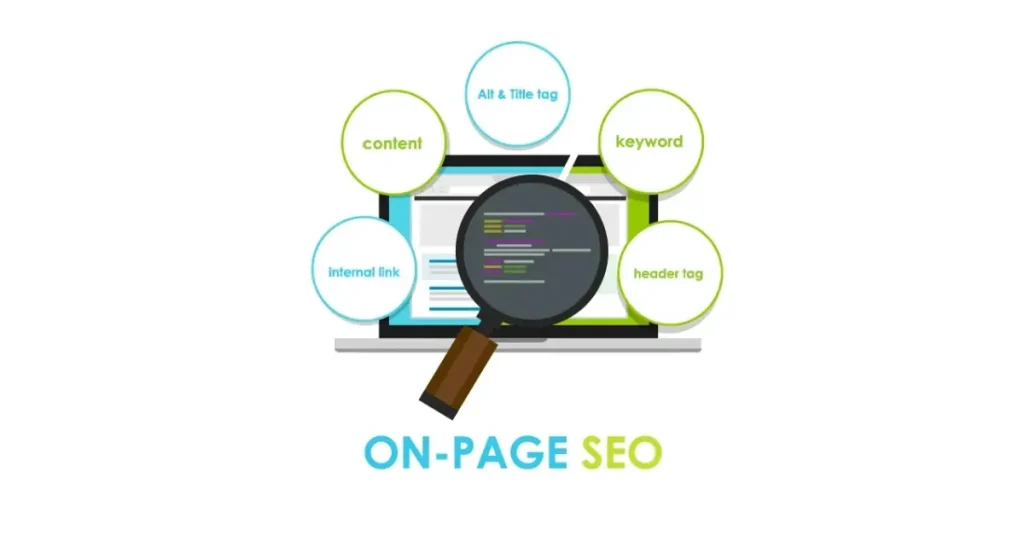
On-page SEO (also called on-site SEO) refers to all the things you can optimize directly on your website to improve your visibility in search engines.
This includes your content, your titles, your keywords, your headers, your images, your links—pretty much anything that appears on the page itself.
It’s different from off-page SEO, which focuses on things happening outside your website, like backlinks, social signals, or online mentions.
The best part about on-page SEO?
You have full control over it. You get to decide how your content is structured, how readable it is, and how well it answers the user’s question.
Why On-Page SEO Is So Important
On-page SEO is crucial because it helps in two major ways:
1. It helps Google understand your content
Search engines are smart, but they still rely on signals—titles, keywords, structure—to figure out what your page is about. Good on-page SEO makes that job easy.
2. It improves user experience
Google wants to rank pages that are useful and easy to read. When your page loads fast, looks clean, and provides clear answers, people stay longer. That tells Google your content is valuable.
So, great on-page SEO = happier users + higher rankings.
Simple as that.
Key Elements of On-Page SEO
1. Title Tags
Your title tag is the headline that appears in Google search results.
A good one:
- tells people what the page is about
- uses your main keyword
- encourages clicks
Example:
Bad: “Welcome”
Good: “What Is On-Page SEO? A Simple Guide for Beginners”
Read : How to optimize title tag as per Google guideline
2. Meta Descriptions
This is the small summary that appears below your title in the search results.
While meta descriptions don’t directly affect rankings, they do affect whether someone chooses to click your page. That alone can improve your SEO over time.
Focus on:
- clarity
- benefits
- natural language
Read : How to optimize meta description tag as per Google guideline
3. Header Tags (H1, H2, H3…)
Headers break your content into sections.
They help readers skim your content and help search engines understand the structure.
- H1 = page title
- H2 = main sub-topics
- H3 = details under each sub-topic
Using headers correctly keeps everything clean and readable.
Read : How to optimize header tags on your website.
4. Keywords & Search Intent
This is the heart of on-page SEO.
The goal isn’t to stuff your page with keywords—it’s to answer what the user is really searching for.
Example: Someone searching “how to do keywords reserch” wants simple steps, not a long rant about SEO history.
Place keywords naturally in:
- your title
- a few headers
- the first paragraph
- image alt text
- the body of the content
Always think: Does this page actually help the reader?
5. URL Structure
Your URL should be short, clear, and easy to read.
Example:
Good: /on-page-seo-guide/
Bad: /blog/2025/11/seo_article_437/?id=890
Clean URLs improve user trust and help search engines understand the topic.
6. Internal Linking
Internal links connect one page of your website to another.
Benefits:
- help visitors explore more pages
- help Google crawl and index your site
- pass SEO value from strong pages to new ones
Think of internal links as creating a smooth pathway through your site.
You can read: How to do internal linking naturaly
7. Image Optimization
Images can slow your website down if they’re not optimized.
To improve SEO:
- compress your images
- use descriptive alt text
- use the right format (WebP, JPG, PNG)
Alt text also helps Google understand your visuals and improves accessibility for visually impaired users.
Read our detailed blog: How to Optimize Images for SEO
8. Mobile-Friendly Design
Most people browse on their phones, and Google uses mobile-first indexing.
So if your site looks messy or hard to navigate on mobile, your rankings will suffer.
Always check:
- text size
- spacing
- layout
- button placement
9. Page Speed
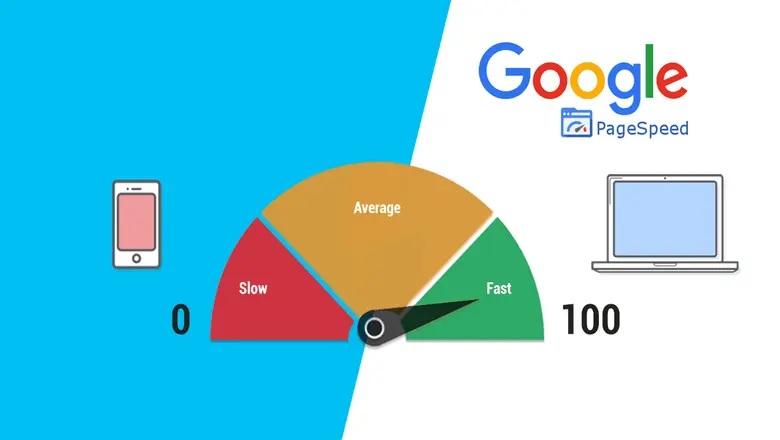
No one likes waiting for a slow page. A few seconds delay can increase bounce rates.
Tools to check your speed:
- Google PageSpeed Insights
- GTmetrix
- Lighthouse
Improving your website speed can significantly boost your search rankings.
How On-Page SEO Actually Works
Here’s what happens when Google analyzes your page:
- Googlebot crawls your site
It scans your text, images, links, and structure. - Google tries to understand the topic
Your keywords, title, and headers help with this. - It analyzes how valuable your page is
Google looks at factors like depth, clarity, and accuracy. - It checks user behavior
If users stay longer and explore more, that’s a positive signal. - Your page gets ranked based on relevance and quality
Better on-page SEO = better chances of ranking higher.
Common On-Page SEO Mistakes to Avoid
- Keyword stuffing
- Thin or shallow content
- Missing meta tags
- Slow pages
- No internal links
- Hard-to-read layouts
- Poor mobile experience
Fixing even a few of these can improve your rankings.
Simple Tips to Improve On-Page SEO Today
Here are quick wins you can apply right now:
- Research the right keywords before writing.
- Update old blog posts with fresh info.
- Add internal links to and from important pages.
- Improve your title tags and meta descriptions.
- Compress your images.
- Test your website speed and fix slow elements.
- Break long paragraphs into smaller chunks.
- Always match the user’s search intent.
These small steps add up and make a big difference in your SEO performance.
Looking to Improve Your On-Page SEO?
If you want deeper guidance or a hands-on approach, I’ve created a dedicated page that breaks down everything included in my On-Page SEO service—how it works, what you get, and how it helps your website rank better.
You can check it out here: On-Page SEO Services
Conclusion
On-page SEO isn’t complicated—it’s just about creating helpful, well-structured content that search engines and people can easily understand.
When you get your titles, keywords, content quality, and user experience right, Google is much more likely to rank your page higher.