If you manage a website, you’ve likely come across the term HTTPS. But do you know why it’s so crucial, especially when it comes to SEO? In today’s online world, HTTPS is more than a security feature—it’s a signal of trust, a ranking factor, and a fundamental component of a safe browsing experience.
Let’s break it down in a natural, easy-to-understand way.
What Is HTTPS?
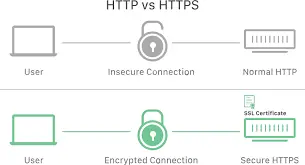
HTTPS simply stands for HyperText Transfer Protocol Secure, while HTTP is just a basic protocol for transferring data between a browser and a website. The main thing that sets HTTPS apart from HTTP is that HTTPS encrypts the connection, therefore protecting users’ data from hackers, snooping, and tampering.

When a website uses HTTPS, you’ll see:
- A padlock icon in the browser
- A URL starting with https://
- More trust from visitors
Why HTTPS Is Important for SEO
Google has been very clear: HTTPS is a ranking factor. Even if it’s a lightweight signal, it still contributes to better visibility in search results.
Here’s how HTTPS improves your SEO:
1. Google Prefers Secure Websites
Google takes user safety online seriously. Thus, secure websites are given a significant bump in ranking compared to non-secure websites. If your competitors use HTTPS and you don’t, you are already a step behind.
2. Builds Trust with Your User Base
When a visitor sees the “Not Secure” warning in their browser, they may immediately click away. With HTTPS, there is no warning, and therefore they feel secure. A secure and trusted website will result in longer page visits, a lower bounce rate, and good rankings in search engines overall.
3. Protects Sensitive User Data
If you ask visitors to your site for emails, passwords, payment information, or even form-based submissions, HTTPS is needed. Google factors in that secure sites have enabled users to interact with the website more freely, meaning good engagement metrics—in turn, improving your SEO.
4. Required for Modern Browser Features
Some advanced browser capabilities—like HTTP/2—are only usable with HTTPS. New technologies like HTTP/2 promote speed, performance, and SEO as they work faster and perform better.
5. HTTPS Improves Website Speed
Although HTTP was believed to be “slower,” in today’s world, enabling HTTPS is actually faster than HTTP, especially when built together with HTTP/2. Browser technology has improved speed overall, and a major SEO factor is site speed.
Does Switching to HTTPS Affect Rankings?
If not set up properly, switching from HTTP to HTTPS can result in temporary drops. However, once your HTTPS is up and running, including 301 redirects, sitemap updates, and fixing mixed content, your SEO signals should eventually improve.
Google even recommends HTTPS for all websites, not just eCommerce.
How to Switch to HTTPS the Right Way
Here are the key steps:
- Get an SSL certificate (many hosts provide this for free).
- Install it on your server.
- Set up 301 redirects from HTTP to HTTPS.
- Update internal links, images, and scripts to HTTPS.
- Update your sitemap and resubmit it to Google Search Console.
- Fix any mixed-content warnings.
Doing this ensures a smooth transition with no SEO loss.
Summary: HTTPS isn’t optional anymore—it’s essential. Whether you run a blog, business site, online store, or portfolio, securing your website increases trust, improves security, and increases your SEO. Google rewards websites that are safe and user-friendly, and switching to HTTPS is one of the easiest wins you can make!