Here’s the truth: You don’t need a massive budget to compete in SEO. While big companies pour thousands into paid tools and agencies, scrappy startups are winning with smart strategies, consistency, and a willingness to roll up their sleeves. This guide will show you exactly how to build an SEO foundation that drives real results—even when your budget is tight.
Why SEO Matters for Startups (Even More Than Big Companies)
When you’re running a startup, every marketing dollar counts. Unlike paid advertising that stops the moment you stop paying, SEO builds long-term equity. Once you rank for valuable keywords, that traffic keeps coming—often for years. For bootstrapped startups, this makes SEO one of the highest-ROI channels available.
Plus, startups have advantages that big companies don’t: you’re nimble, you can move fast, you can create authentic content without running it through five approval layers, and you often understand your niche better than generic marketing agencies ever could.
The Foundation: Free and Low-Cost SEO Tools
Before we dive into strategy, let’s talk tools. You don’t need expensive enterprise software to get started. Here are the essentials:
Must-Have Free Tools
- Google Search Console: Absolutely essential. Shows you exactly what keywords you’re ranking for, which pages get traffic, technical issues, and more. It’s free and directly from Google.
- Google Analytics 4: Track your traffic, understand user behaviour, and measure what’s working.
- Google Keyword Planner: Basic keyword research tool. While it’s designed for Google Ads, it’s valuable for SEO keyword ideas.
- AnswerThePublic: Free searches to discover what questions people are asking about your topic (limited searches per day).
- Ubersuggest (Free Version): Neil Patel’s tool offers limited free searches for keyword ideas and competitor analysis.
- Google Trends: See what’s trending and compare search interest over time.
Worth-the-Money Affordable Tools
- Ahrefs Webmaster Tools: Free tier gives you site audits and backlink analysis for your own site.
- SEMrush Free Account: 10 free searches per day—use them wisely for competitive research.
- Screaming Frog (Free Version): Crawl up to 500 URLs for free to find technical SEO issues.
Budget Hack
Instead of subscribing to premium SEO tools monthly, consider buying a one-month subscription every quarter. Use that month intensively to do all your keyword research, competitor analysis, and site audits. Export everything you need, then cancel until next quarter.
Your Low-Budget SEO Strategy: The Game Plan
Step 1: Nail Your Keyword Strategy (The Smart Way)
Big companies chase high-volume, competitive keywords. You’re going to outsmart them by targeting what they ignore:
- Long-tail keywords: Instead of “project management software” (impossible to rank for), target “project management software for remote design teams” (much more achievable).
- Question-based keywords: People searching “how to…” or “what is…” are actively looking for answers you can provide.
- Low competition, decent volume: Look for keywords with 100-1,000 monthly searches and low competition. These add up.
- Buyer intent keywords: Words like “best,” “review,” “vs,” “alternative” indicate people ready to make decisions.
Keyword Research Action Steps:
- List 10-20 topics your target customers care about
- Use Google autocomplete—start typing your topic and see what Google suggests
- Check “People also ask” boxes in Google search results
- Look at your competitors’ blogs and note what they’re ranking for (use Ubersuggest free searches)
- Create a spreadsheet with 50-100 keyword opportunities, prioritizing long-tail and question-based phrases
Step 2: Create Content That Actually Ranks
Content is where startups with small budgets can really shine. You don’t need to hire expensive agencies—you just need to be strategic and consistent.
The secret? Go deep, not wide. Instead of publishing 20 mediocre 500-word posts, create 5 comprehensive, genuinely helpful 2,000+ word guides that thoroughly answer what people are searching for.
What makes content rank in 2024:
- Depth and comprehensiveness: Cover the topic better than anyone else. If someone reads your article, they shouldn’t need to visit another site.
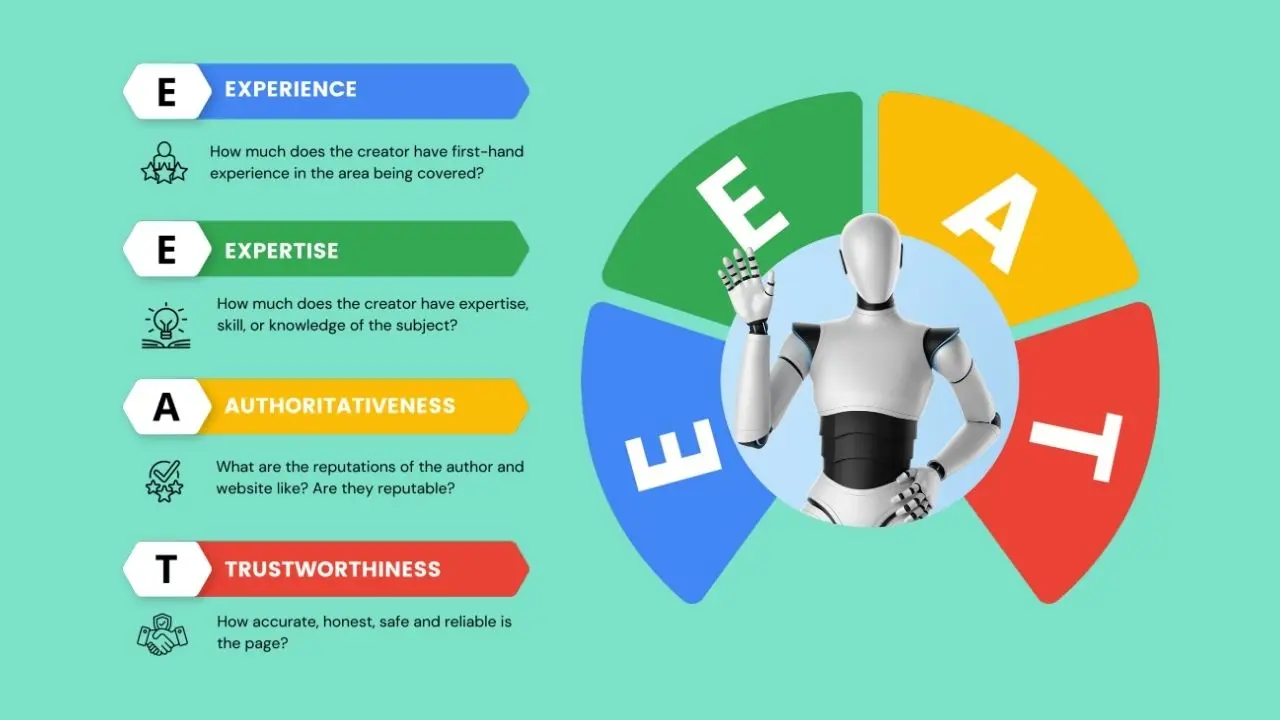
- Real expertise: Write from experience. Share specific examples, case studies, or original insights.
- User experience: Clear headings, short paragraphs, bullet points, images that help (not just decorate).
- Search intent match: If someone searches “best CRM for startups,” they want a comparison, not a definition of what CRM means.
- Freshness: Update important content annually to keep it current.
Step 3: Master On-Page SEO Basics
These are the non-negotiables you need to get right on every page:
- Title tags: Include your target keyword near the beginning, keep it under 60 characters, make it compelling.
- Meta descriptions: Not a ranking factor, but crucial for click-through rate. Write a compelling 155-character summary with your keyword.
- Headings (H1, H2, H3): Use one H1 per page (usually your title), structure content with H2s and H3s, include keywords naturally.
- URL structure: Keep URLs short, descriptive, and keyword-rich (e.g., yoursite.com/seo-for-startups not yoursite.com/p?=12345).
- Internal linking: Link to other relevant pages on your site. This helps Google understand your site structure and distributes ranking power.
- Image optimization: Use descriptive file names, add alt text, compress images for faster loading.
Quick Win
The fastest SEO win for most startups: Fix your existing content. Audit your current pages, optimize titles and meta descriptions, add internal links, and update outdated information. This can boost rankings in weeks, not months.
Step 4: Technical SEO (Without a Developer)
Don’t let “technical SEO” intimidate you. Most issues can be fixed without touching code:
- Site speed: Use Google PageSpeed Insights to identify issues. Compress images with free tools like TinyPNG, enable browser caching (your hosting provider can help), minimize plugins if using WordPress.
- Mobile-friendliness: Use Google’s Mobile-Friendly Test. Most modern website platforms are mobile-responsive by default, but always check.
- Fix broken links: Use Screaming Frog’s free version to find broken internal and external links, then fix them.
- Create an XML sitemap: Most platforms (WordPress, Shopify, Webflow) generate this automatically. Submit it to Google Search Console.
- Robots.txt file: Make sure you’re not accidentally blocking important pages from being crawled.
- SSL certificate: Your site needs HTTPS. Most hosting providers include this free now.
Common Startup SEO Mistakes to Avoid
- Keyword stuffing: Don’t force keywords unnaturally 20 times per page. Write for humans first.
- Duplicate content: Don’t copy content from other sites or have multiple pages with identical content.
- Ignoring Google Search Console: Check it weekly. It tells you exactly what Google thinks of your site.
- Impatience: SEO takes 3-6 months to show real results. Don’t give up after a month.
- Chasing every trend: Stick to your strategy. Don’t pivot to every new SEO tactic you read about.
Step 5: Build Backlinks (Without Spending Money)
Backlinks—when other websites link to yours—are still one of Google’s top ranking factors. Here’s how to get them on a budget:
Free Link-Building Strategies:
- Create linkable assets: Original research, data studies, comprehensive guides, free tools, or templates that people naturally want to reference.
- Guest posting: Write articles for other sites in your industry. Include a link back to your site in your author bio.
- Broken link building: Find broken links on relevant websites, reach out to let them know, and suggest your content as a replacement.
- Digital PR: Share startup news, milestones, or interesting data with journalists using platforms like Help a Reporter Out (HARO) or Terkel.
- Community engagement: Participate genuinely in industry forums, Reddit, Quora—include your link only when genuinely relevant.
- Partner and vendor links: Ask partners, vendors, or clients if they’d mention you on their websites.
- Create shareable content: Infographics, original research, contrarian opinions that people want to share on social media.
Link Building Reality Check
Quality beats quantity every time. One link from a respected industry publication is worth more than 100 links from random, low-quality sites. Focus on relevance and authority, not volume.
Step 6: Local SEO (If Applicable)
If you serve a local area or have a physical location, local SEO is your secret weapon. It’s less competitive than national SEO:
- Google Business Profile: Claim and fully optimize your free listing. Add photos, respond to reviews, post updates.
- NAP consistency: Make sure your Name, Address, and Phone number are identical across all online directories.
- Local keywords: Include your city/region in your keywords (e.g., “web design agency in Austin”).
- Get reviews: Actively ask happy customers for Google reviews. They significantly impact local rankings.
- Local directories: List your business on Yelp, industry-specific directories, and local chamber of commerce sites.
Your First 90 Days: A Timeline
| Month 1 | Focus Areas |
|---|---|
| Weeks 1-2 |
• Set up Google Search Console & Analytics • Technical SEO audit and fixes • Keyword research (50-100 keywords) |
| Weeks 3-4 |
• Optimize existing pages (titles, meta descriptions, headers) • Create content calendar • Publish 2-3 in-depth articles |
| Month 2 | Focus Areas |
|---|---|
| Weeks 5-8 |
• Publish 4-6 more quality articles • Start link building outreach • Internal linking between related content • Monitor Search Console for early wins |
| Month 3 | Focus Areas |
|---|---|
| Weeks 9-12 |
• Continue consistent content publishing • Double down on what’s working • Update and improve existing content • Analyze results and adjust strategy |
Measuring Success: What to Track
Don’t obsess over rankings alone. Focus on metrics that actually matter for your business:
- Organic traffic: Are more people finding you through Google? (Track in Google Analytics)
- Impressions and clicks: Monitor in Google Search Console to see your visibility growing.
- Keyword rankings: Track 10-20 priority keywords manually or with free tools.
- Conversion rate: Are visitors from organic search actually becoming customers/leads?
- Backlinks: Use Google Search Console or Ahrefs Webmaster Tools to monitor link growth.
- Page experience: Track bounce rate and time on page—are people engaging with your content?
Realistic Expectations
Month 1-2: Minimal traffic, lots of groundwork. Month 3-4: Small traffic increases, some rankings appearing. Month 5-6: Noticeable growth if you’ve been consistent. Month 9-12: Meaningful organic traffic that keeps growing. This is a marathon, not a sprint.
When to Invest More in SEO
As your startup grows, consider leveling up your SEO investment when:
- You’re seeing traction from your DIY efforts and want to accelerate
- You have more budget but still limited time to do it yourself
- You need specialized technical SEO help your team can’t handle
- You want to scale content production beyond what your team can create
- You’re entering more competitive keywords and need professional link building
Even then, many successful startups keep SEO in-house longer than other marketing channels because it’s so cost-effective and the knowledge stays with your team.
Final Thoughts: Consistency Beats Budget
Here’s what matters more than money in SEO: consistency, patience, and genuine helpfulness. Large companies often struggle with SEO because they’re slow to publish, scared of taking positions, and create generic content approved by committee.
You have the advantage. You can move fast, speak authentically, and create content that genuinely helps your target audience. Combine that with the strategies in this guide, and you can absolutely compete—and win—against competitors with much larger budgets.
Start today. Pick one thing from this guide and implement it this week. Then next week, pick another. Three months from now, you’ll be amazed at the foundation you’ve built.
Your Action Plan (Start This Week):
- Set up Google Search Console and Google Analytics if you haven’t already
- Run a site audit with Screaming Frog or Ahrefs Webmaster Tools
- Make a list of 20 keyword ideas using free tools
- Optimize the titles and meta descriptions of your 5 most important pages
- Write and publish one comprehensive, helpful piece of content
- Block out 5 hours weekly for consistent SEO work