Have you ever searched for something on Google and felt like it read your mind? You typed just a few words, yet the result matched exactly what you were looking for. That’s not luck—it’s search intent at work.
Today, search engines don’t just scan keywords. They try to understand why someone is searching in the first place. And behind that understanding is artificial intelligence. If you create content, run a business, or work in SEO, knowing how AI reads search intent can make a real difference in how well your content performs.
What Search Intent Really Means
Search intent is simply the reason behind a search. It’s what the user wants to achieve, not just the words they type.
For example, someone searching for “best laptop for video editing” isn’t looking for a definition of a laptop. They’re likely comparing options and planning to buy. On the other hand, a search like “how video editing laptops work” shows a learning mindset.
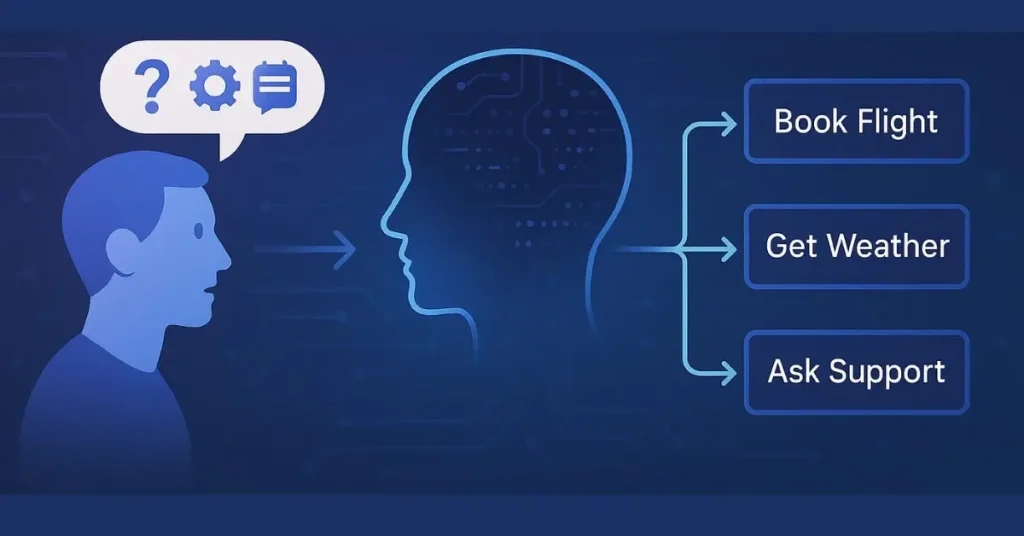
AI focuses on understanding this difference. It looks beyond the keywords and tries to figure out the real goal behind the search.

How Search Engines Used to Read Searches
In the past, search engines relied heavily on exact keywords. If your page repeated the same phrase enough times, it had a good chance of ranking—even if the content wasn’t very helpful.
This often led to poor results. People would click on pages that technically matched their search but didn’t answer their questions. Over time, search engines realized that keyword matching alone wasn’t enough.
That shift is what led to AI-driven search.
How AI Changed the Way Search Works
Modern search engines use AI to understand context and meaning, not just individual words. Instead of asking, “Does this page contain the keyword?” AI asks, “Does this page solve the user’s problem?”
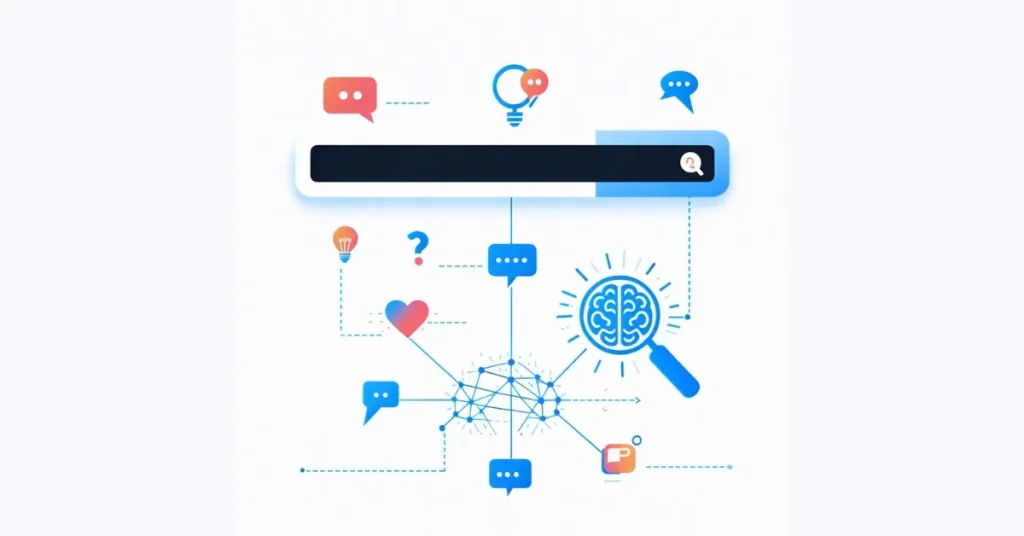
AI analyzes sentence structure, related terms, and how people phrase questions naturally. It also learns from millions of searches to recognize patterns in what users expect to see.
This is why today you can type a question in your own words and still get accurate results.
If you’re new to this topic, our complete guide on What Is AI SEO? explains how artificial intelligence reshaped modern search from the ground up.”
The Signals AI Uses to Understand Intent
AI doesn’t rely on just one factor. It combines multiple signals to understand what users want.

The Words and Phrases People Use
Searches have become more conversational. People ask full questions, especially on mobile and voice search. AI looks at phrasing, modifiers, and long-tail queries to understand intent more clearly.
A search like “best time to post on Instagram for local businesses” shows a very different intent than “what is Instagram marketing.”
Search History and Patterns
AI studies how users behave across similar searches. If most people who search a phrase click on guides or comparison articles, AI learns that informational or commercial intent is likely.
This helps search engines refine results even for new or uncommon queries.
Page Engagement Signals
What happens after a click matters. If users stay on a page, scroll, or visit related content, AI sees that as a sign the page matched their intent. If they leave immediately, it suggests a mismatch.
This is why helpful, well-structured content performs better over time.
Location, Device, and Timing
Search intent changes depending on context. A search for “coffee shop” on a phone usually means “near me,” while the same search on a desktop could be for research.
AI adjusts results based on location, device type, and even time of day.
Different Types of Search Intent AI Recognizes
AI generally groups searches into a few broad intent categories.
Informational intent is about learning. These users want answers, explanations, or guides.
Navigational intent is when someone wants to reach a specific website or brand.
Commercial intent shows comparison behavior. Users are researching before making a decision.
Transactional intent means the user is ready to take action, such as buying, booking, or signing up.
Understanding these intent types helps you decide what kind of content to create for each topic.
Why Understanding Search Intent Helps Content Perform Better
When your content matches search intent, everything improves naturally. Visitors stay longer, engage more, and trust your site.
Instead of forcing keywords into every paragraph, you focus on answering real questions. This leads to better rankings, not because you “optimized harder,” but because users found what they needed.
AI rewards content that feels useful, clear, and human.
How Content Creators Can Align with Search Intent
Start by understanding what the user expects to see after typing a query. Look at current top results and notice patterns. Are they guides, lists, or product pages?
Structure your content clearly. Use headings that reflect real questions people ask. Write naturally, as if you’re explaining the topic to a real person—not a search engine.
Most importantly, choose the right content format. A blog post won’t rank well for a keyword that clearly needs a service page, and vice versa.
Common Mistakes People Make When Ignoring Search Intent
One of the biggest mistakes is ranking for a keyword but failing to satisfy the user. This leads to high bounce rates and poor engagement.
Another issue is over-optimizing content. When writing feels forced or repetitive, users lose interest—and AI notices.
Mismatch between title and content is also common. If your headline promises one thing and delivers another, trust drops instantly.
What This Means for the Future of Search
Search is moving away from simple rankings and toward direct answers and experiences. AI-powered results, summaries, and recommendations are becoming more common.
In the future, the content that performs best will be content that genuinely helps people. Not content written for algorithms, but content written for humans—and understood by AI.
Conclusion
AI understands search intent by focusing on meaning, behavior, and context—not just keywords. For content creators, this is actually good news.
When you write clearly, answer real questions, and structure your content thoughtfully, you’re already aligning with how AI-driven search works. The goal isn’t to outsmart the algorithm—it’s to serve the reader better.