Voice search is changing the digital environment. With voice assistants such as Google Assistant, Alexa, and Siri, users no longer type; they speak to technology. This requires that businesses rethink their SEO strategies to align with this conversational approach.
In this blog we will discuss what voice queries are, why they are important, and provide established best practices for optimizing your content for voice search in 2025.
What are voice queries?
Voice queries are spoken searches that leverage natural, conversational language. Rather than typing shorter phrases, people will ask full questions.
Example:
- Typed: “best Italian restaurant NYC”
- Voice: “Hey Google, where’s the best Italian restaurant near me?”
The difference lies in intent and tone — voice searches are more human, contextual, and question-driven.
Why Voice Search Optimization Matters
Voice search is now a key part of how people find information. According to Google, over 27% of the global online population uses voice search on mobile.
For local businesses, this is huge. Many voice queries are location-based, such as:
- “Find a plumber near me.”
- “Where’s the closest bakery open now?”
Optimizing for voice queries can:
✅ Boost your local visibility
✅ Improve click-through rates
✅ Help your business appear in featured snippets
✅ Increase mobile and voice assistant traffic
Best Practices for Optimizing Voice Queries
1. Use Conversational Keywords
Voice searches are natural and spoken in full sentences. Optimize your content using long-tail and conversational keywords that reflect how people talk.
For example:
Instead of using “digital marketing agency,” use:
👉 “What’s the best digital marketing agency near me?”
Use tools like:
- AnswerThePublic (to find question-based searches)
- Google People Also Ask (for related voice queries)
- SEMrush or Ahrefs (for long-tail keyword data)
💡 Pro tip: Include these conversational phrases in your headings (H2/H3) and first 100 words for maximum SEO impact.
2. Add an FAQ Section
Creating a detailed FAQ page is one of the simplest and most effective ways to optimize for voice queries.
Each question should use natural language and have a short, clear answer (30–50 words).

Example:
Q: How can I make my website faster?
A: You can improve your website speed by compressing images, using caching, and minimizing unnecessary code.
This format helps Google recognize your answers and use them for featured snippets and voice search responses.
3. Optimize for Featured Snippets
Featured snippets — also known as Position Zero — are the short text boxes at the top of search results. Voice assistants often read these aloud when answering questions.
To optimize for featured snippets:
- Write short, fact-based answers.
- Use bulleted lists, tables, or steps.
- Add the target question as a heading.
- Include the focus keyword naturally in the answer.

This boosts your chances of being the source that Google reads out loud during a voice search.
4. Strengthen Your Local SEO
Most voice queries have local intent, making local SEO a top priority.
Steps to optimize for local voice search:
- Create and verify your Google Business Profile.
- Ensure your NAP (Name, Address, Phone) is consistent everywhere.
- Use local keywords (e.g., “dentist in Austin TX”).
- Add schema markup for your business location.
- Encourage customer reviews — they affect voice search visibility.
Example:
“Hey Google, find the best pizza restaurant near me.”
Only optimized local businesses appear in these responses.
5. Improve Page Speed and Mobile Optimization
Most voice searches happen on mobile, so your website needs to be fast, mobile-friendly, and secure (HTTPS).
To improve website speed and performance:
- Compress images using TinyPNG or WebP format.
- Use lazy loading for videos and large images.
- Minify CSS, JS, and HTML.
- Choose a responsive WordPress theme.
- Test with Google PageSpeed Insights.

A fast-loading site improves rankings and reduces bounce rates — both crucial for voice SEO.
6. Implement Schema Markup
Adding structured data (schema markup) helps search engines understand your content and context better.
Recommended types for voice SEO:
- FAQ Page Schema – for FAQs
- Local Business Schema – for business info
- Product Schema – for eCommerce listings
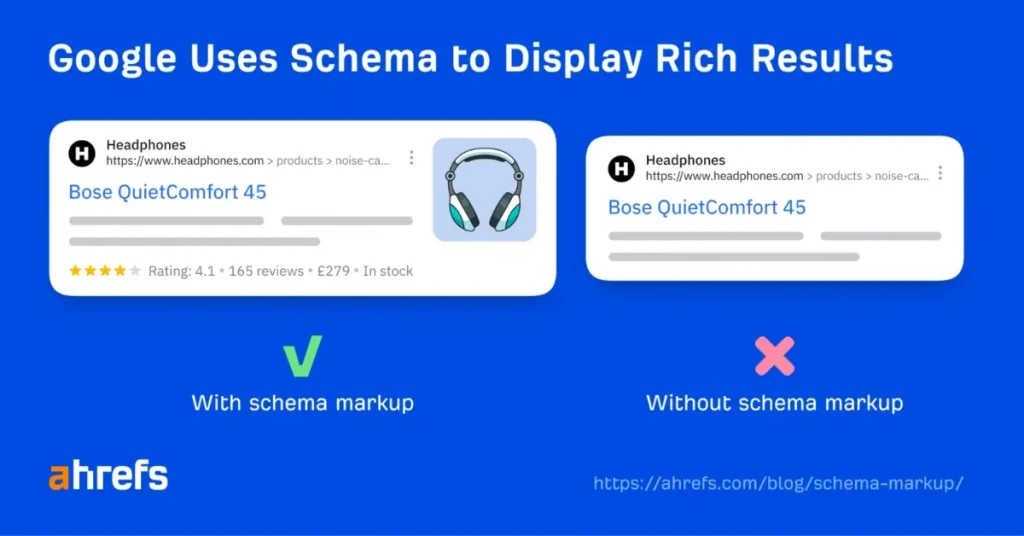
Use a plugin like Rank Math or Yoast SEO Premium to easily add schema in WordPress without coding.
7. Write Clear and Direct Answers
Voice assistants prefer short, direct, and conversational answers. Avoid complex sentences and jargon.
✅ Good Example:
“The best way to optimize for voice search is by using conversational keywords and focusing on clear, direct answers.”
❌ Bad Example:
“Optimization for voice search involves implementing complex linguistic strategies.”
Keep your tone friendly and natural — as if you’re talking to the reader.
Common Mistakes to Avoid
- Ignoring mobile responsiveness
- Using robotic or repetitive keywords
- Skipping local SEO updates
- Writing content that’s hard to read aloud
- Forgetting to include schema markup
These mistakes can prevent your content from being selected by voice assistants.
How to Measure Voice Search Success
Currently, Google Search Console doesn’t show separate data for voice queries, but you can track performance indirectly by:
- Monitoring question-based keyword rankings
- Analyzing traffic from long-tail keywords
- Tracking “near me” queries in Google Analytics
- Watching CTR and impressions for conversational phrases
This helps you gauge how well your content is performing for voice-based searches.
The Future of Voice Search Optimization
Voice technology is developing quickly. Prepare, for example, for more AI, multilingual, and context-aware search results.
Summary: All businesses must get ahead of the curve and begin changing writing content into conversational formats with clear local visibility.
Voice search optimization is not just a trend; it is SEO’s future. By placing priority on conversational keywords and FAQ-style content with local optimization, you increase your chance of being the voice that your customers hear first.
Voice queries award content that is simple, helpful, and human. Start optimizing now!
👉 Want to make your website voice-search ready? Contact our SEO experts to build a strategy that drives real results!