Running an e-commerce store today is not what it was five years ago. You are no longer just competing with a few local or regional sellers. You are up against Amazon, global brands, aggressive dropshippers, and thousands of stores selling the same products you do.
Getting traffic from Google used to be simple: add some keywords, write a few product descriptions, and hope for the best. That era is gone. Search engines have become smarter, shoppers have become more demanding, and competition has exploded.
This is where AI-powered SEO is changing the game for e-commerce businesses.
AI is not just another marketing trend. It is becoming the engine behind how online stores get discovered, ranked, and chosen by buyers. For a foundational understanding, start with our complete beginner’s guide to AI SEO and how it differs from traditional methods.
Why E-commerce SEO Feels Harder Than Ever
If you feel like ranking your online store is more difficult than it used to be, you are not imagining it.
There are more e-commerce websites than ever. Most of them sell similar products, use the same suppliers, and even copy the same descriptions. Google now struggles to decide which store deserves to rank, so it rewards only the ones that look most useful, relevant, and trustworthy.
At the same time, customer behavior has changed. Shoppers no longer search for simple phrases like “running shoes.” They search for things like “best lightweight running shoes for flat feet” or “comfortable running shoes for long walks.” These long, specific searches are where the money is — but they are also much harder to target manually.
Traditional SEO tools can show keyword volume, but they cannot truly understand buyer intent. That is why many e-commerce stores get traffic but not sales.
How AI Is Changing the Way Online Stores Rank
AI changes SEO because it thinks more like a human.
Instead of just matching keywords, AI looks at context, meaning, and user behavior. It connects what people search for, what they click, how long they stay on a page, and whether they buy.
For example, if people search for “wireless headphones for workouts,” Google wants to show pages that actually solve that problem — not just pages that repeat the phrase 10 times. AI helps search engines judge quality in a way that old algorithms never could. At its core, this shift is powered by how modern AI understands complex search intent, moving far beyond simple keyword matching.
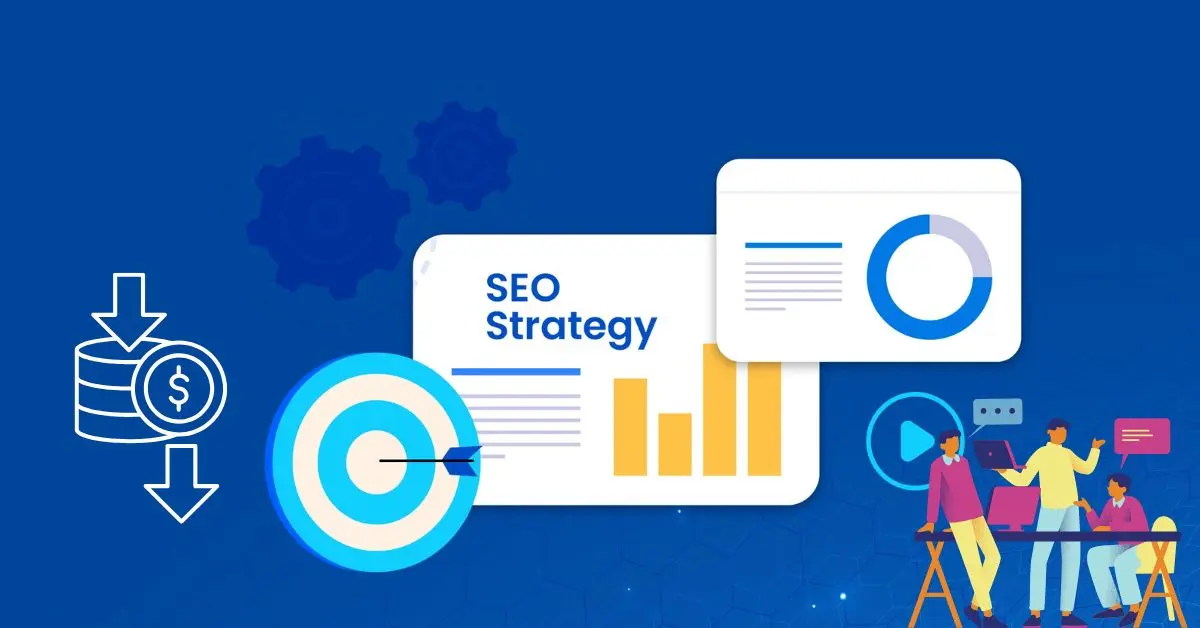
When you use AI in your SEO strategy, you are no longer guessing what Google wants. You are aligning your store with how modern search engines actually think.
Using AI to Find Keywords That Bring Buyers
One of the biggest mistakes e-commerce stores make is chasing high-volume keywords that do not convert.
AI tools analyze millions of searches and spot patterns that humans miss. They identify keywords with buying intent, not just traffic. These are the searches made by people who are ready to purchase, not just browse.
For example, “laptop” is a broad search. But “best budget laptop for video editing” tells you exactly what the shopper wants. AI can find thousands of these profitable long-tail searches and group them by product type, customer need, and buying stage.
This allows your store to create pages that match what real buyers are looking for — not what looks good in a keyword tool.
Writing Product Pages That Rank and Sell
Most product pages fail because they are written for search engines, not people.
They are either too short, too generic, or copied from suppliers. Google sees them as low value, and shoppers see them as unhelpful.
AI changes this by helping you write product descriptions that are both natural and optimized. It can suggest better product titles, richer descriptions, and useful FAQs based on what shoppers actually search for.
More importantly, AI helps you answer the silent questions in a buyer’s mind:
- Is this right for me?
- How is it different from others?
- Will it solve my problem?
When your product pages answer these questions clearly, both Google and your customers reward you.
Why Category Pages Are Your Secret Weapon
Many store owners focus only on product pages, but category pages often bring more traffic and more sales.
Searchers love browsing collections like “men’s winter jackets” or “organic skincare products.” AI helps you turn these pages into powerful SEO assets by structuring them properly, adding meaningful content, and connecting them to related products.
With AI, you can also create smart internal links that guide shoppers from one product to another, increasing both rankings and average order value.
AI-Powered Content That Attracts Ready-to-Buy Traffic
Blogging for e-commerce is no longer about writing random articles.
AI helps you create buying guides, comparisons, and problem-solving content that leads directly to product pages. Think:
- “Best coffee makers for small kitchens”
- “How to choose the right mattress for back pain”
- “Top hiking boots for beginners”
These pages attract visitors who are already close to making a purchase. When you connect them to your products, you turn content into a sales machine.
Technical SEO Without the Headaches
E-commerce websites are complex. Duplicate pages, slow loading times, broken links, and crawl issues can quietly kill your rankings.
AI tools can scan your site, detect these problems, and even suggest how to fix them. This saves hours of manual work and prevents small issues from turning into big losses.
Personalization That Boosts SEO and Sales
AI also helps personalize the shopping experience.
When visitors see products that match their interests, they stay longer, click more, and buy more. These positive signals tell Google that your site is valuable — which improves your rankings.
Better experience leads to better SEO, which leads to more traffic and more revenue.
The Future of E-commerce SEO
Search is no longer just text. People now search with their voice, their camera, and even AI assistants. AI-powered SEO prepares your store for this future by making your content more understandable, adaptable, and relevant across all platforms.
Stores that adopt AI today will not just survive — they will dominate.
Final Thoughts
AI SEO is not about replacing humans. It is about giving smart store owners better tools to compete in a crowded market.
If you want more visibility, more qualified traffic, and more sales without relying only on paid ads, AI SEO is your next move.
The sooner you start, the further ahead you will be.